Verification Protocols Determine Payout Timelines Across Secure Mobile Gambling Platforms
Written by Wendy Perry · Sep 28, 2026
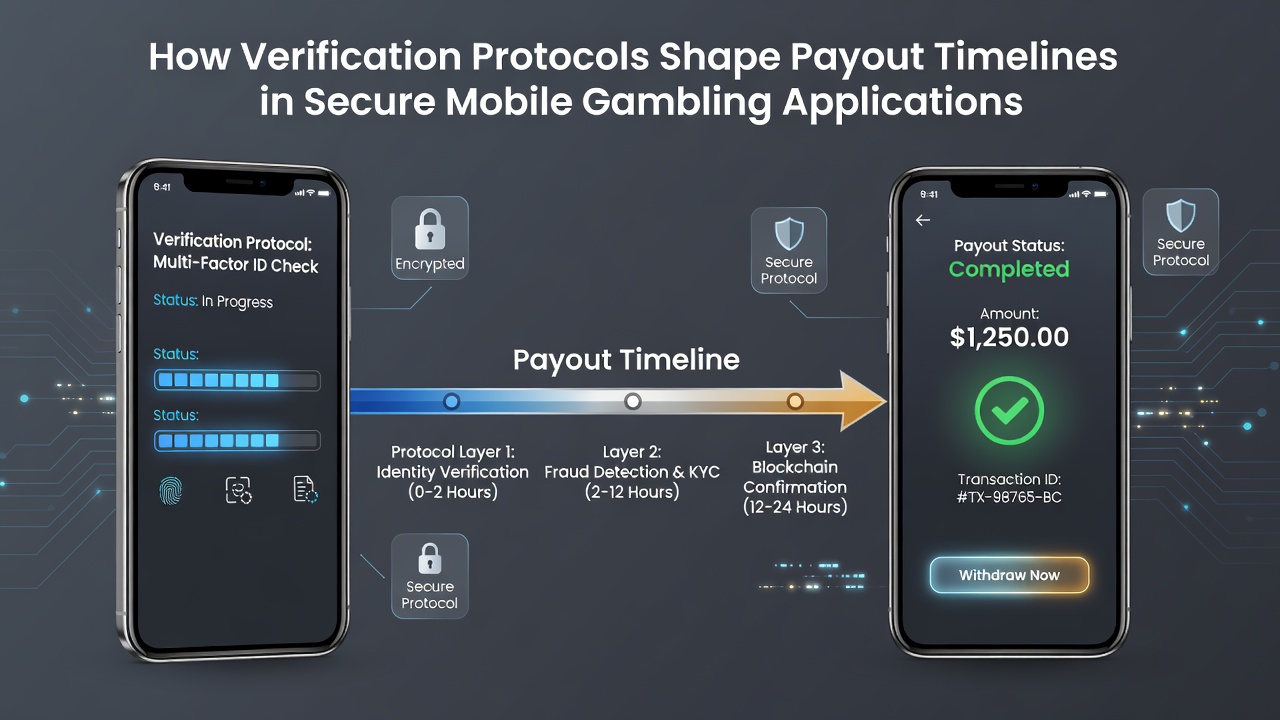
Verification Protocols Determine Payout Timelines Across Secure Mobile Gambling Platforms
Verification protocols sit at the center of payout processing in mobile gambling applications, where identity confirmation steps directly control how quickly funds reach player accounts. Operators integrate these systems to meet regulatory requirements while managing fraud risks, and the efficiency of each protocol influences the overall timeline from withdrawal request to completion.
Core Components of Verification in Mobile Gambling
Secure applications require users to submit government-issued identification, proof of address, and sometimes biometric data before processing any withdrawal. Automated document scanning combined with optical character recognition handles initial checks within minutes when information matches records cleanly, yet discrepancies in photo quality or data entry trigger manual reviews that extend processing by several hours or days. Data from industry reports indicate that platforms using multi-layered verification complete more than 70 percent of standard requests within 24 hours once accounts reach verified status.
Biometric authentication through facial recognition or fingerprint matching adds another layer that reduces false positives and speeds repeat transactions for returning users. Those who complete initial setup during account creation avoid delays later, while first-time withdrawal attempts often face additional scrutiny if transaction patterns deviate from established norms.
Regulatory Influences on Processing Speed
Rules established by bodies such as the Nevada Gaming Control Board and the Australian Communications and Media Authority shape how quickly operators must act on verified requests. These frameworks mandate anti-money laundering checks that include source-of-funds reviews for larger amounts, and applications built for compliance route high-value withdrawals through additional approval stages. Figures from 2026 show that regions with updated digital verification standards processed average payouts 35 percent faster than areas relying on older manual systems.
September 2026 brought expanded adoption of real-time database cross-referencing in several jurisdictions, allowing platforms to confirm identity details against government records without human intervention. This shift shortened average timelines for verified users from 48 hours to under 12 hours in compliant applications.
Impact of Verification Failures and Retries
When submitted documents contain errors or fail to match stored details, applications notify users immediately and require resubmission, which restarts the clock on payout timelines. Observers note that mobile users who upload clear, current images of identification complete verification on the first attempt more often than those using older files or poor lighting. Each retry adds cumulative delays, and repeated failures can lead to temporary account restrictions until support teams intervene.
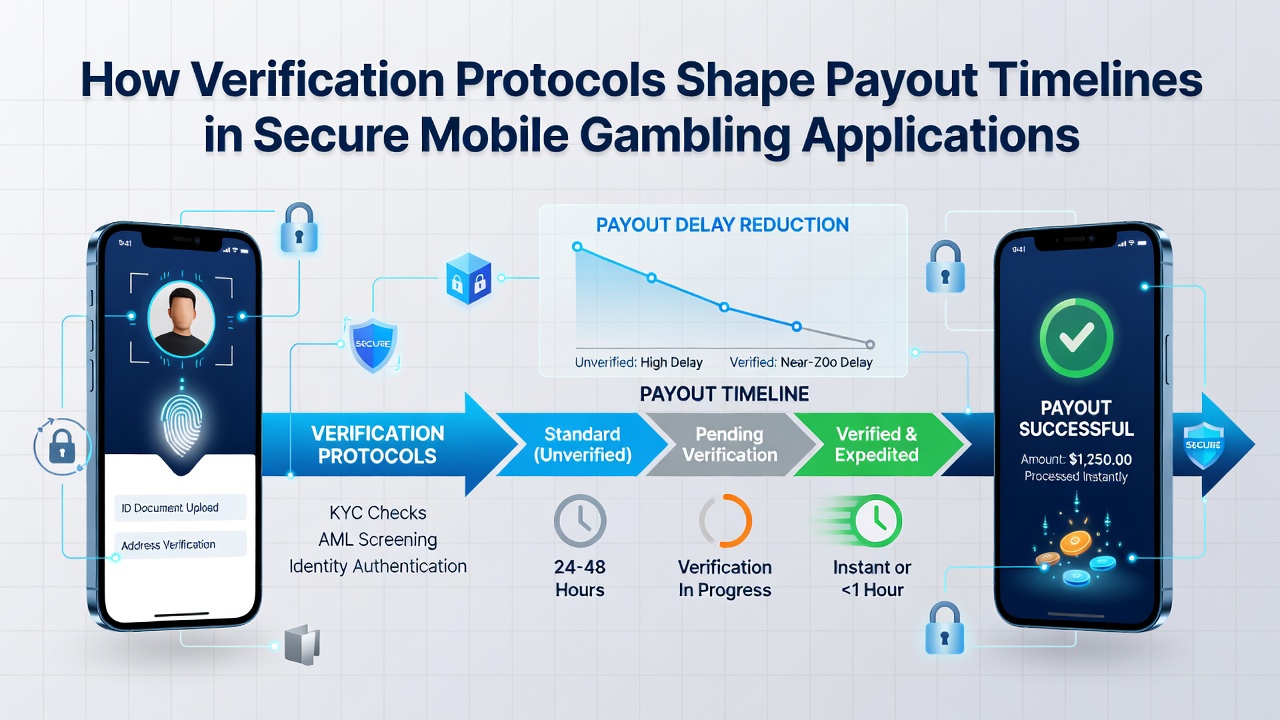
Case studies from operators reveal that players who maintain updated profile information experience fewer interruptions. One analysis of transaction logs across multiple platforms found that accounts with pre-verified status handled 90 percent of withdrawal requests without additional contact, whereas new or infrequently used accounts required extra steps in nearly half of cases.
Technical Advances Reducing Timeline Variability
Integration of artificial intelligence for pattern recognition now flags potential issues before they reach human reviewers, which cuts average review times from days to hours in many secure applications. Machine learning models trained on historical data predict which requests need deeper checks, allowing routine payouts to proceed while routing outliers for targeted examination. Those who study payment networks report that platforms employing these tools achieve more consistent timelines even during peak usage periods.
Encrypted data transmission protocols protect information during submission yet add minimal processing overhead when optimized correctly. Applications that prioritize end-to-end encryption alongside fast verification maintain both security standards and competitive payout speeds, demonstrating that the two requirements operate together rather than in conflict.
Conclusion
Verification protocols continue to define payout timelines in secure mobile gambling applications by balancing regulatory compliance with operational efficiency. Platforms that streamline identity checks through automation and clear user guidance deliver faster results for verified accounts, while those with fragmented processes extend wait times when documentation requires repeated review. Current trends point toward greater reliance on real-time database connections and biometric tools that further compress processing windows without compromising required safeguards.