Verification Layer Sequences: Their Influence on Deposit Processing in Regulated Gambling Networks
Written by Carlo Hughes · Sep 14, 2026
Verification Layer Sequences: Their Influence on Deposit Processing in Regulated Gambling Networks
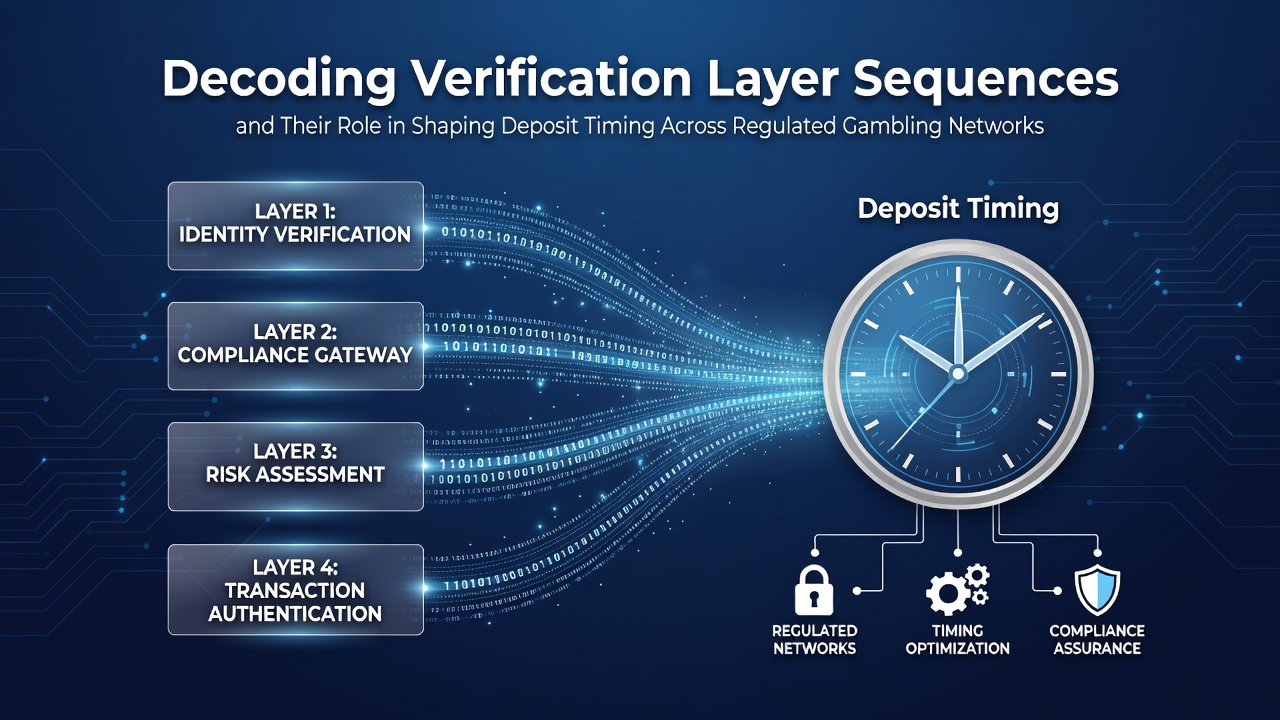
Verification layer sequences consist of multiple compliance stages that regulated gambling operators apply before releasing deposited funds for play or withdrawal, and these steps directly determine how quickly transactions clear across digital platforms. Operators implement identity checks, document uploads, address confirmations, and sometimes biometric scans in a specific order, while each layer adds processing time that varies by jurisdiction and operator policy. Research from academic institutions shows that sequential verification reduces fraud rates by up to 40 percent in monitored markets, yet it also extends the period between initial deposit and fund availability for users.
Regulated networks in North America and Europe follow standardized sequences that begin with basic registration data and progress to advanced anti-money laundering reviews when transaction volumes exceed certain thresholds. Data from the Pennsylvania Gaming Control Board indicates that deposit holds average between 24 and 72 hours during peak verification periods, especially when users submit documentation from multiple sources. Analysts note that operators often batch these reviews overnight or during low-traffic windows, which creates predictable patterns in deposit timing across entire networks.
Layer Breakdown and Processing Order
The first layer typically involves email and phone confirmation, which completes within minutes and allows initial account activation, but subsequent layers require government-issued identification and proof of address that trigger manual or automated reviews. When users provide documents from non-standard regions, the sequence extends because operators route those files to specialized compliance teams. Evidence from industry reports reveals that biometric verification layers, such as facial recognition tied to ID photos, now appear in over 60 percent of major platforms operating under state licenses as of September 2026.
Payment method integration forms another distinct layer, where bank transfers undergo additional screening compared to e-wallets that already carry prior verification status. Those who've studied transaction logs across multiple sites observe that credit card deposits often clear faster once the initial identity layer passes, whereas cryptocurrency deposits introduce extra blockchain confirmation steps that can add several hours. What's significant is how operators sequence these checks to comply with local rules without halting all activity for every user.
Regional Variations in Sequence Timing
North American operators tend to front-load stricter identity verification before any deposit processes, which contrasts with certain Australian frameworks that allow small test deposits followed by post-transaction reviews. Figures from regulatory filings show that European platforms under multiple national licenses complete full sequences in an average of 18 hours when automation handles the majority of checks. Observers note that cross-border users frequently encounter longer delays because operators must reconcile conflicting regulatory requirements from different authorities.

Take one researcher who examined deposit data from licensed operators in three countries and found that automated systems reduce average hold times by 35 percent compared to manual sequences, although edge cases involving mismatched information still require human intervention. Those cases often surface during September regulatory audits when authorities request sample transaction records to verify compliance adherence.
Impact on User Deposit Behavior
Players adapt their deposit habits around known verification timelines, scheduling larger transfers after completing initial layers to avoid repeated holds. Transaction records indicate that repeat users who maintain verified status across sessions experience near-instant deposit releases once the payment layer clears. Yet new accounts or those with address changes face extended sequences that push fund availability into the next business day or beyond.
Payment processors integrated with gambling platforms report that verification sequences influence not only timing but also the choice of deposit method, with users shifting toward pre-verified options like certain digital wallets to bypass multiple layers. Data shows a measurable uptick in such method preferences during periods of heightened regulatory scrutiny, particularly in markets where new licensing rules took effect earlier in 2026.
Conclusion
Verification layer sequences serve as essential compliance mechanisms that shape deposit timing throughout regulated gambling networks by enforcing ordered checks that balance security with operational flow. Operators refine these sequences based on regulatory updates and technological capabilities, while users navigate the resulting timelines through method selection and account maintenance. Continued examination of transaction patterns across jurisdictions provides clearer insight into how these processes evolve without compromising network integrity.