Support Query Trends Guiding Payment Preferences in Regulated Mobile Gaming
Written by Wendy Perry · Nov 23, 2026
Support Query Trends Guiding Payment Preferences in Regulated Mobile Gaming
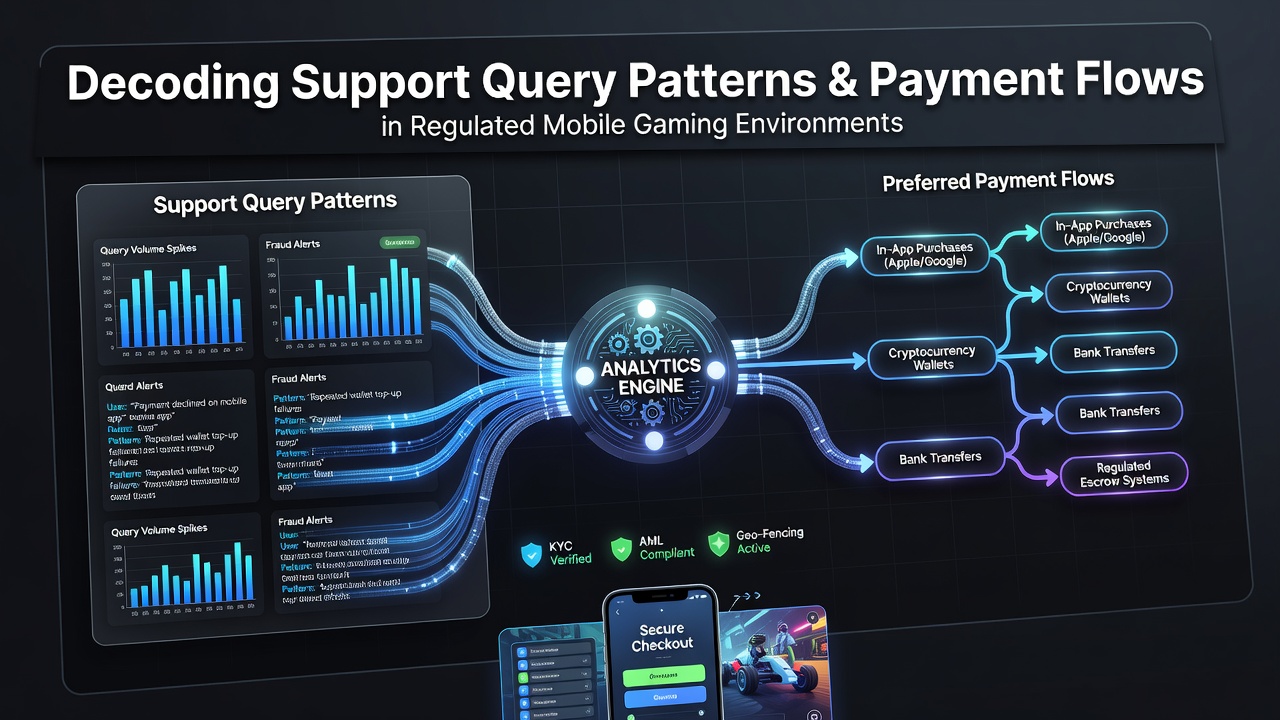
Support query patterns in regulated mobile gaming environments reveal consistent themes around transaction speed, verification requirements, and fee structures that directly influence which payment methods players select most often. Data from multiple jurisdictions shows these inquiries cluster around specific pain points such as deposit limits during peak hours and withdrawal processing timelines that stretch beyond initial estimates. Observers note that when support teams handle repeated questions about failed e-wallet transactions, players shift toward bank transfer options that carry clearer regulatory oversight in their region.
November 2026 figures from North American and European markets indicate mobile gaming accounts for over 60 percent of total online wagering activity, with payment flow preferences evolving alongside tighter compliance rules. Regulatory bodies in Canada and Australia track these shifts through mandatory reporting on consumer complaints, revealing that queries about cryptocurrency options spike when platforms introduce new digital asset integrations without updated verification protocols.
Common Support Query Categories and Their Frequency
Research indicates three primary categories dominate support interactions in this space: deposit authorization delays, withdrawal confirmation requirements, and cross-border transaction restrictions. Studies from academic institutions in Australia demonstrate that deposit-related queries account for 45 percent of all contacts in regulated mobile environments, often centering on why certain credit card issuers block gaming transactions while others process them instantly. Those patterns prompt platforms to promote alternative methods like prepaid vouchers or instant bank transfers that bypass issuer-level blocks.
Withdrawal queries follow closely, with users frequently asking about documentation needed to release funds held under anti-money laundering rules. Evidence from the New Jersey Division of Gaming Enforcement shows these questions peak during holiday periods when verification teams face higher volumes, leading many players to favor payment flows already tied to verified accounts. Such preferences reduce future friction and align with observed drops in repeat support contacts after initial successful withdrawals.
Regulatory Frameworks Shaping Payment Options
Regulators across multiple regions enforce standards that affect how payment flows operate within mobile gaming apps. The Australian Communications and Media Authority requires platforms to disclose all fees and processing times upfront, which has correlated with fewer support queries about hidden charges on certain e-wallet services. Similar requirements in Canadian provinces have encouraged operators to prioritize methods that integrate real-time balance checks, cutting down on authorization disputes that previously drove users toward less regulated alternatives.
One study from a European research consortium found that when platforms streamline their payment selection interfaces based on aggregated query data, overall transaction success rates improve by measurable margins. These adjustments often involve surfacing bank-based options higher in the menu when support logs show elevated questions about third-party wallet verification times. Data indicates such changes stabilize preferred payment flows without violating jurisdictional rules on fair presentation of choices.
Payment Flow Adjustments Driven by Query Insights
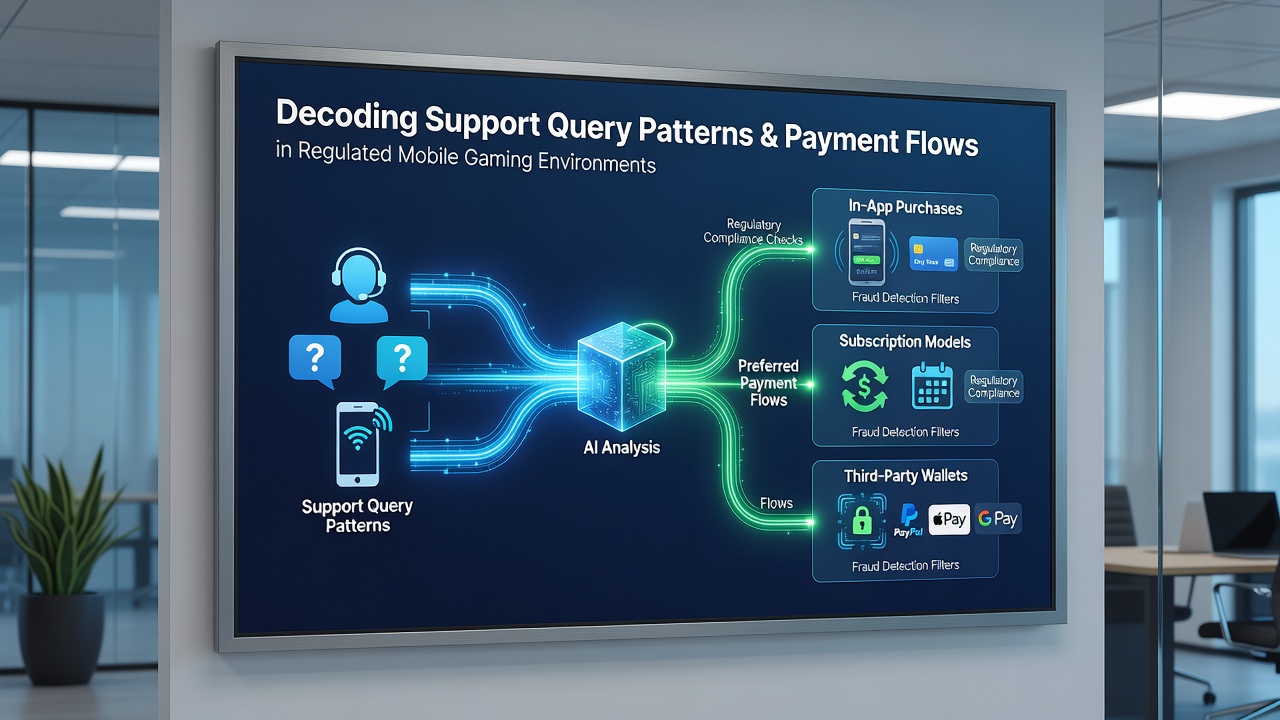
Operators analyze support ticket trends to refine which payment processors receive priority integration in their mobile apps. When queries about instant payout options increase, platforms respond by expanding partnerships with services that offer faster settlement under existing regulatory licenses. This approach appears in markets where gaming control boards mandate clear timelines for fund releases, prompting operators to de-emphasize slower methods that generate follow-up inquiries.
Patterns also emerge around geographic restrictions, with users in certain provinces or states asking why specific cards fail while others succeed. Those inquiries lead operators to highlight locally licensed payment rails that comply with cross-border rules, thereby steering volume toward compliant flows. Figures from industry reports reveal that such targeted adjustments reduce average support resolution times while maintaining adherence to responsible gaming standards.
Case Examples from Regulated Markets
Take one operator in a Canadian province that reviewed six months of support data and noticed repeated questions about e-wallet withdrawal minimums. The company adjusted its interface to display clearer thresholds tied to verified payment methods, resulting in a documented shift toward those options in subsequent transaction reports. Similar adjustments in Australian jurisdictions followed analysis of query spikes around holiday bonus processing, where players sought confirmation that promotional funds could transfer via their preferred bank links.
Another example comes from platforms operating under multiple U.S. state licenses, where support patterns highlighted confusion over varying tax reporting thresholds. By prioritizing payment flows that automatically generate required documentation, these operators saw fewer follow-up contacts and steadier adoption of compliant methods across mobile sessions.
Conclusion
Support query patterns provide measurable signals that operators and regulators use to align payment flows with user needs while meeting compliance obligations. Data from diverse markets shows these interactions influence everything from interface design to processor partnerships, creating feedback loops that favor methods with fewer friction points. As mobile gaming volumes grow through November 2026 and beyond, continued analysis of these patterns will likely refine how regulated environments present and support preferred transaction options.