Mapping the Interplay Between Game Volatility Metrics and Strategic Betting Approaches in Regulated Digital Environments
Written by Katja Beck · Oct 26, 2026
Mapping the Interplay Between Game Volatility Metrics and Strategic Betting Approaches in Regulated Digital Environments
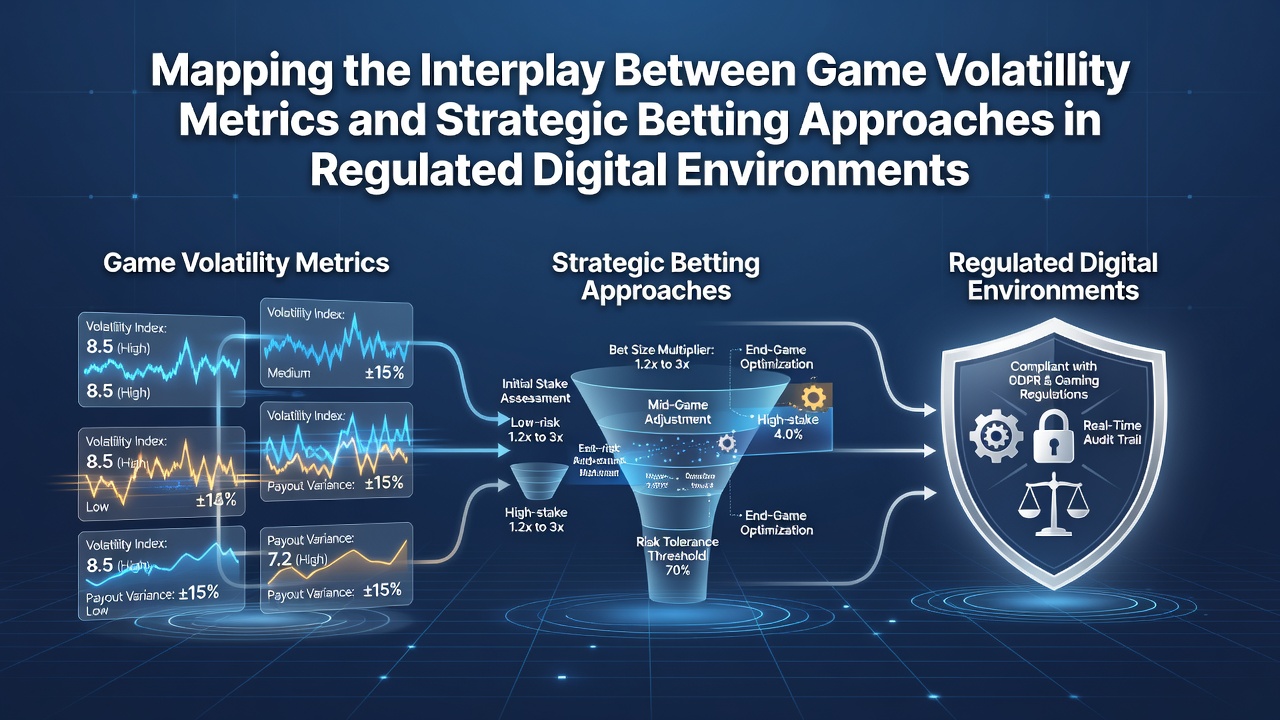
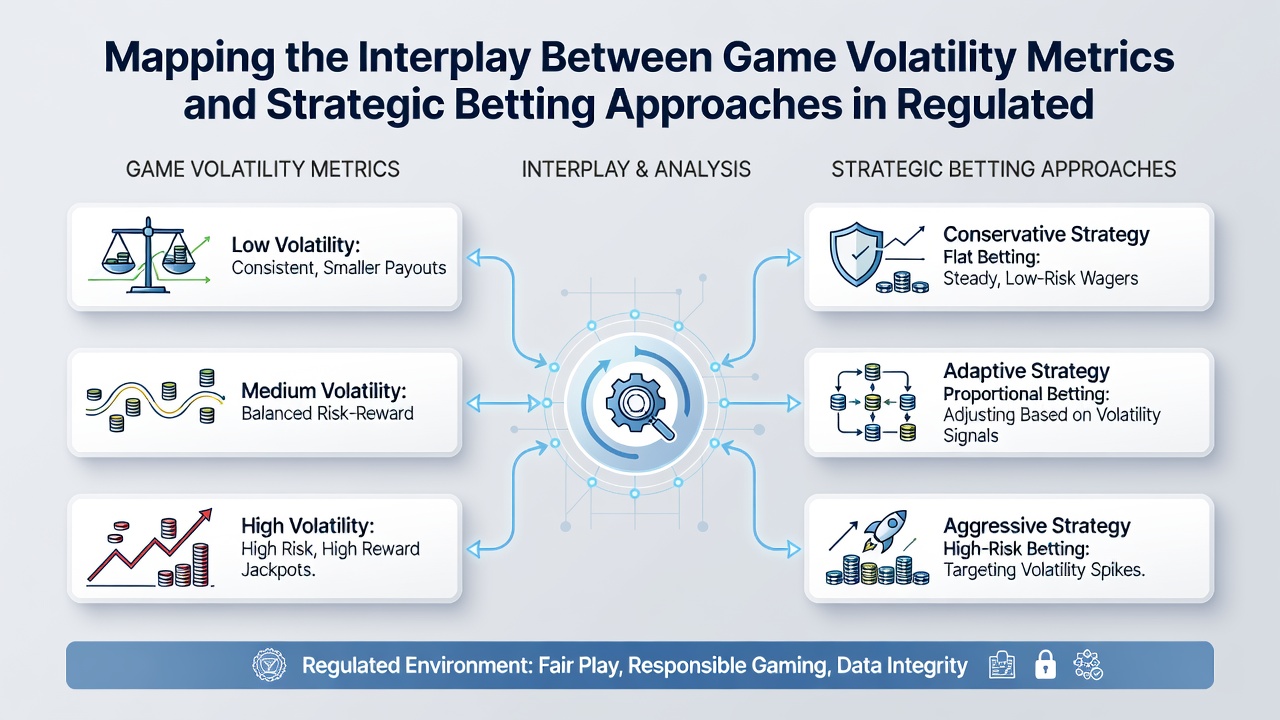
Regulated digital environments track game volatility through standardized metrics that quantify payout frequency and size distribution, while strategic betting approaches adapt to these patterns by adjusting wager sizes, session durations, and game selections. Data from October 2026 shows continued integration of volatility indices into compliance reporting across multiple jurisdictions, with platforms required to display variance indicators alongside return-to-player percentages. Observers note that high-volatility titles cluster around standard deviations exceeding 4.5 in payout simulations, whereas medium-volatility games typically range between 2.8 and 4.5, creating distinct risk profiles that influence bankroll allocation models used by operators and analysts alike.
Defining Volatility Metrics in Digital Gaming Systems
Volatility calculations derive from mathematical models that simulate thousands of spins or rounds, producing standard deviation values and hit frequency rates that regulators mandate for transparency. Research indicates these metrics correlate directly with player session outcomes, since a game with 0.3 percent hit frequency demands larger average bet multipliers to reach equivalent expected value compared to one posting 25 percent hit rates. Experts have observed that software providers embed volatility tags within game certification files submitted to testing laboratories, allowing platforms to categorize titles automatically for responsible gaming filters. In October 2026 regulatory filings, several North American and European markets required updated volatility disclosures to align with emerging digital payment network standards, ensuring players receive consistent information regardless of device or jurisdiction.
Strategic Betting Approaches Shaped by Variance Data
Players and analysts apply volatility data to construct betting progressions that scale stake amounts according to observed payout clusters, while flat betting remains common in low-volatility selections to preserve capital across extended play periods. Case studies reveal that progressive betting systems calibrated to high-volatility environments often incorporate stop-loss thresholds tied to standard deviation multiples, reducing drawdown risk during extended dry spells. Those who study these patterns note that bet sizing algorithms frequently reference real-time volatility indices pulled from game servers, enabling dynamic adjustments mid-session without violating platform terms. Australian research centers have documented how such adaptive strategies interact with regulatory deposit limits, showing measurable differences in session length when players reference volatility labels before committing funds.
Regulatory Oversight and Metric Standardization
Regulatory bodies across regions enforce volatility disclosure rules that standardize reporting formats, with the New Jersey Division of Gaming Enforcement requiring variance data submission alongside RNG certification reports. Similar requirements appear in Canadian provincial frameworks, where gaming authorities integrate volatility metrics into annual compliance audits to verify that advertised risk profiles match actual game behavior. Industry associations such as the American Gaming Association have compiled aggregated datasets showing how volatility categories influence player migration between game types, while academic studies from institutions in Australia track correlations between volatility exposure and self-exclusion rates. These frameworks create feedback loops where operators refine game libraries based on regulatory feedback rather than anecdotal performance alone.
Intersections with Payment Networks and Session Analytics
Digital payment networks log transaction timing against volatility profiles, producing datasets that reveal whether high-volatility sessions correlate with larger withdrawal requests or more frequent deposit activity. Analysts examining October 2026 transaction volumes found that platforms displaying volatility warnings experienced shifts in average bet sizes, particularly among users who cross-reference metrics before engaging with progressive jackpot titles. Research indicates integration of these analytics into responsible gaming dashboards allows for automated prompts when session variance exceeds predefined thresholds, maintaining compliance without restricting player choice. Observers have documented that such systems rely on API connections between game engines and backend monitoring tools, ensuring real-time metric updates flow directly into player-facing interfaces across mobile and desktop environments.
Conclusion
The mapping of volatility metrics to strategic betting approaches continues to evolve within regulated digital environments as standardization efforts expand across jurisdictions. Evidence shows consistent regulatory emphasis on transparent disclosure, while operators and researchers refine analytical tools that connect variance data with session-level decision making. As reporting requirements mature, the interplay between these elements supports more precise alignment between game design parameters and player risk management practices across global markets.