Connecting Verification Pathways to Support and Payments in Live Mobile Gaming Apps
Written by Katja Beck · Oct 12, 2026
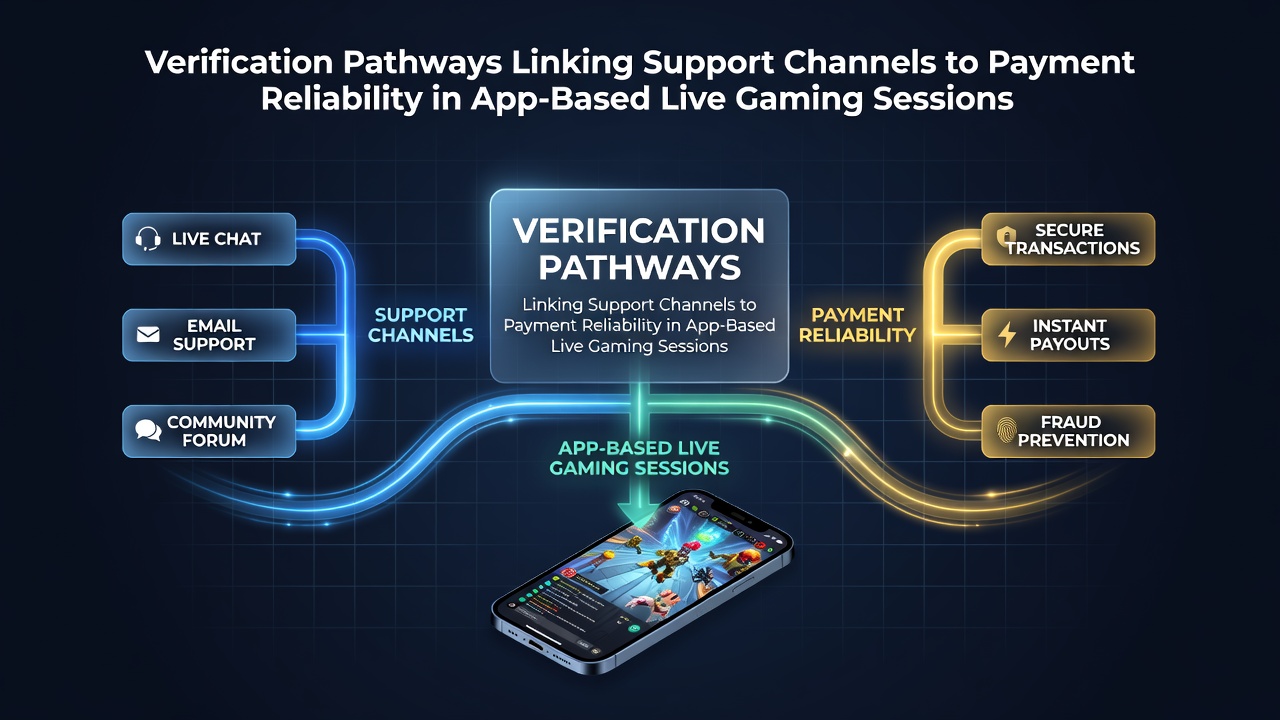
Connecting Verification Pathways to Support and Payments in Live Mobile Gaming Apps
Verification pathways in app-based live gaming sessions establish structured routes that tie support channel interactions directly to payment processing systems, and these connections help maintain consistency across user accounts during real-time sessions where transactions occur alongside ongoing gameplay. Observers note that platforms integrate identity confirmation steps at multiple points which allow support teams to access verified data without interrupting the flow of live events, while payment gateways receive synchronized information that reduces discrepancies in fund transfers.
Core Elements of Verification in Live Gaming Environments
Support channels such as in-app chat, email threads, and phone lines collect user details that feed into verification sequences, and these sequences cross-reference account information against transaction histories to confirm eligibility for deposits or withdrawals during active sessions. Data indicates that multi-factor checks often include device recognition combined with behavioral patterns, and such methods help platforms align support responses with payment reliability metrics recorded in October 2026 reports from regional gaming authorities. Researchers have documented cases where delayed verification at the support stage leads to temporary holds on payments, whereas seamless integration allows immediate processing once identity matches are confirmed.
Support Channels as Gateways to Reliable Transactions
Users reach out through dedicated support interfaces when payment issues arise in live gaming apps, and these interfaces route queries through verification pathways that validate account status before authorizing further actions. Studies from the New Jersey Division of Gaming Enforcement reveal that platforms using centralized verification databases experience fewer transaction failures because support agents can pull verified details instantly, and this setup connects directly to payment processors that require matching records for approval. What's interesting is how automated ticket systems flag inconsistencies early, which then triggers additional checks that protect both the session continuity and the final settlement of funds.
Integration Points Between Support and Payments
Live gaming sessions generate continuous data streams that support teams monitor, and verification pathways link these streams to payment reliability by requiring confirmation at key moments such as session start, mid-game top-ups, and post-session cashouts. According to figures from the Alcohol and Gaming Commission of Ontario, coordinated systems reduce error rates in payments by aligning support-verified identities with banking details, while separate channels create gaps that lead to rejected transactions. Those who've examined platform architectures note that API connections between support logs and payment ledgers allow real-time updates, and this linkage proves essential when users switch devices or update profiles during extended play periods.
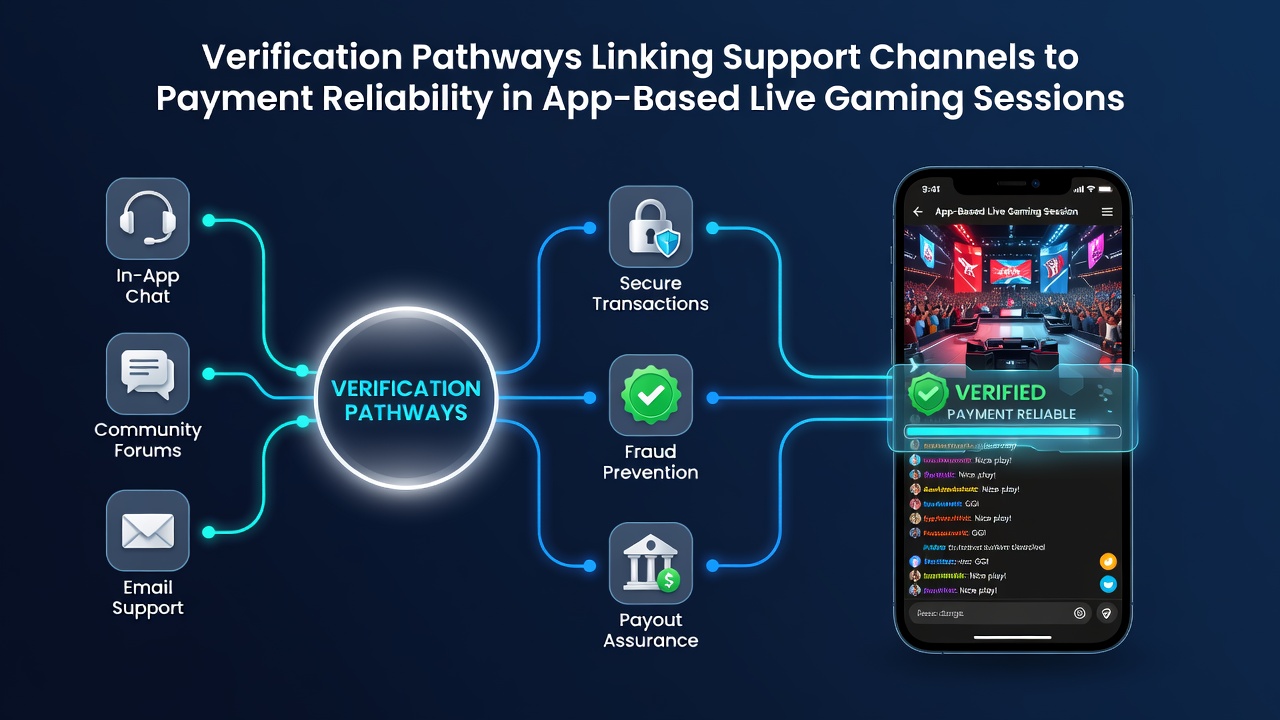
Platforms deploy tiered verification levels that escalate based on transaction size or session duration, and support channels serve as the entry point for users seeking clarification on these levels. Evidence suggests that when support resolves verification queries quickly, payment success rates improve because the system already holds matching data, and this pattern appears consistently across major mobile gaming applications tracked through 2026. Observers highlight that encryption protocols protect the data flow along these pathways, which prevents unauthorized access while preserving the speed needed for live environments.
Challenges and Adjustments in Verification Pathways
Technical mismatches between support databases and payment processors occasionally surface, yet platforms address them through routine audits that refine the pathways connecting these elements. In October 2026, industry reports noted increased adoption of biometric verification in support interactions, and this shift strengthened payment reliability by adding another layer that confirms user presence during live sessions. Experts observe that regions with strict data standards see higher compliance in these integrated systems, whereas less regulated markets encounter more frequent delays when support and payment records diverge.
Conclusion
Verification pathways that link support channels to payment reliability continue to evolve in app-based live gaming sessions, and their development reflects ongoing efforts to synchronize identity checks with transaction outcomes. Data from multiple jurisdictions shows that effective connections at these points support smoother user experiences without compromising security protocols, and platforms that maintain these pathways report steadier payment performance across extended sessions. As live gaming expands, the focus remains on refining these linkages to handle growing volumes of real-time activity.